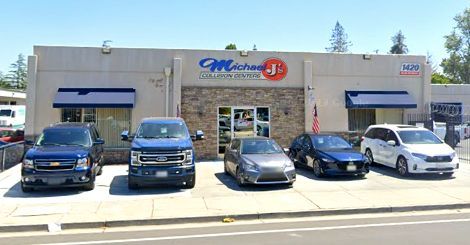
1420 N. 4th St. San Jose, CA 95512
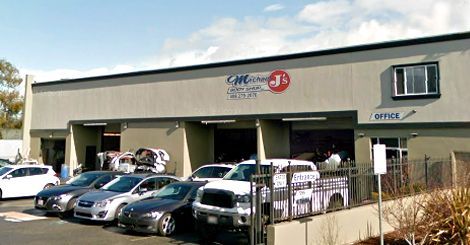
597 W. Taylor St. San Jose, CA 95110
The only Toyota-certified shop in Santa Clara County
Monday-Friday 7:30am-5:30pm | Saturday 8:30am-1pm
Michael J’s Collision Centers
Auto Body Repair & Collision Repair in San Jose, CA and the Surrounding Areas
Since 1982, Michael J’s Collision Centers has been providing expert auto body and collision repair in San Jose for drivers of all makes and models of foreign and domestic vehicles. We are also the only Toyota certified shop in Santa Clara County.
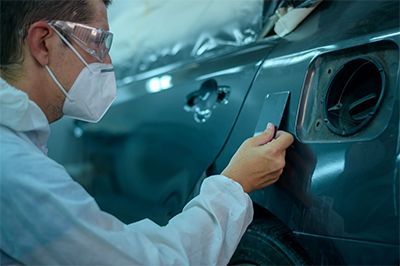
Our team of I-CAR Gold Class and ASE certified technicians understand that if you need our services, things may not be going quite as planned. You can trust us to to get you back on the road quickly while reducing your stress by streamlining the auto body repair process. We will provide you with a free estimate for the cost of collision repair and work directly with your insurance carrier to restore your car, truck or SUV to a safe, reliable and great-looking condition. No matter what your vehicle needs, from minor bumper repair or hood replacement, to complex car body restoration, frame straightening or auto painting, we do it all. With two state of the art collision repair shops in San Jose, we make it easy to take care of your car. Stop by or call the location of your choice to schedule a free estimate or to learn more about the services provided by our San Jose auto body repair shops.
Welcome to Michael J's Body Shop, Capitol Toyota's trusted partner for collision repair services.
We take pride in being the preferred choice, seamlessly extending the Capitol Toyota Standard to ensure your vehicle receives the highest quality care and restoration.

Exclusive Collision Center for the Del Grande Dealership Group










Vehicle Certifications

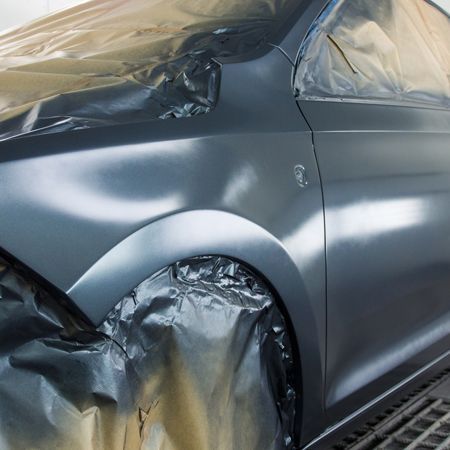
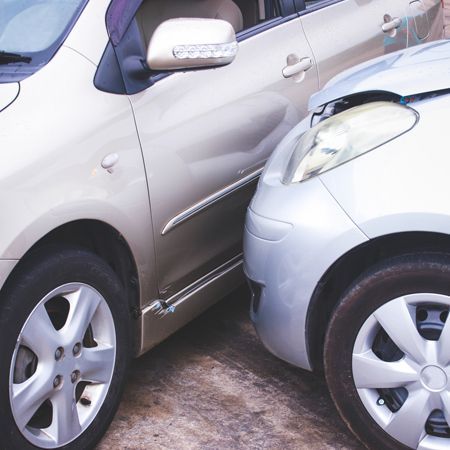
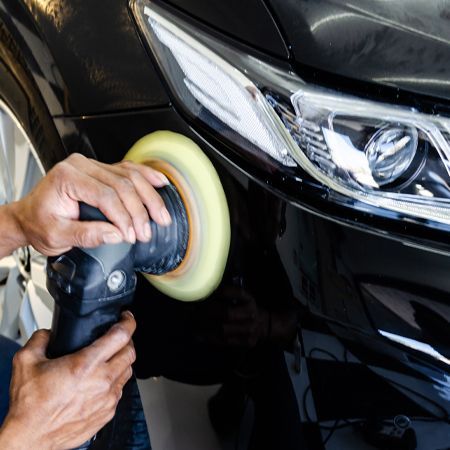
• Full Service Auto Body Shop
• EV Collision Repair Experts
• Foreign & Domestic
• Ding, Dent & Scratch Repair
• Auto Body Restoration
• Unibody & Frame Straightening
• Exclusive Collision Center for DGDG
• Auto Glass & Windshield Repair
• Auto Painting Services
• 24 Hour Drop Off & Free Estimates
• Shuttle Service & Rental Cars
• Complimentary Detail After Repair
• We Speak English, Spanish & Vietnamese
• Accepting All Insurance Carries
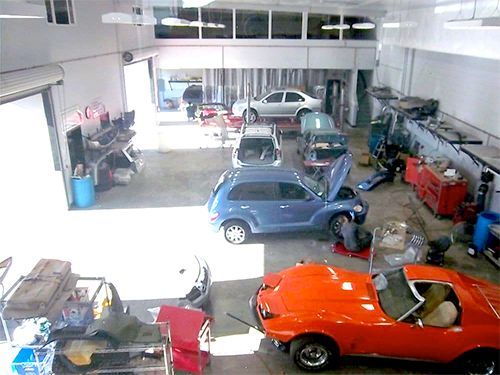
As a local collision repair business, the team at Michael J's Collision Centers takes pride in being able to assist our friends and neighbors in San Jose and the surrounding California communities. To best serve our customers, we’ve invested in the latest computer-aided diagnostic and repair equipment. We combine these tools with decades of hands-on experience to quickly and accurately fix auto body and collision damage on all types of vehicles. If you’ve been in a fender bender or a more serious accident, we encourage you to call either of our San Jose auto body shops to request immediate assistance. Our 40 years of service in Silicon Valley, dedication to providing a stress free experience, and plethora of amenities, such as advanced technology, rental cars, shuttle services, and a lifetime warranty on all repairs, truly sets Michael J's Collision Centers apart. Thank you for considering our car bodywork shop for your needs regarding auto body repair in San Jose.
Our Philosophy – Driven by Perfection
At Michael J’s Collision Repair, our unwavering commitment is encapsulated in the mantra, “All things excellent are as difficult as they are rare.” Recognizing the significance of your vehicle as a substantial investment, we steadfastly adhere to a standard of uncompromising quality.
Michael J’s Collision Centers Blog
We invite you to monitor our News Blog for informative articles.
Michael J’s Collision Centers


The only Toyota-certified shop in Santa Clara County
Monday-Friday 7:30am-5:30pm
Saturday 8:30am-1pm
Area Serviced
San Jose, CA
For after hours or an
emergency please call
408-666-5191 Jeff Ryan (owner)
About Us
Since 1982, Michael J’s Collision Centers has been providing expert auto body and collision repair in San Jose for drivers of all makes and models of foreign and domestic vehicles.
